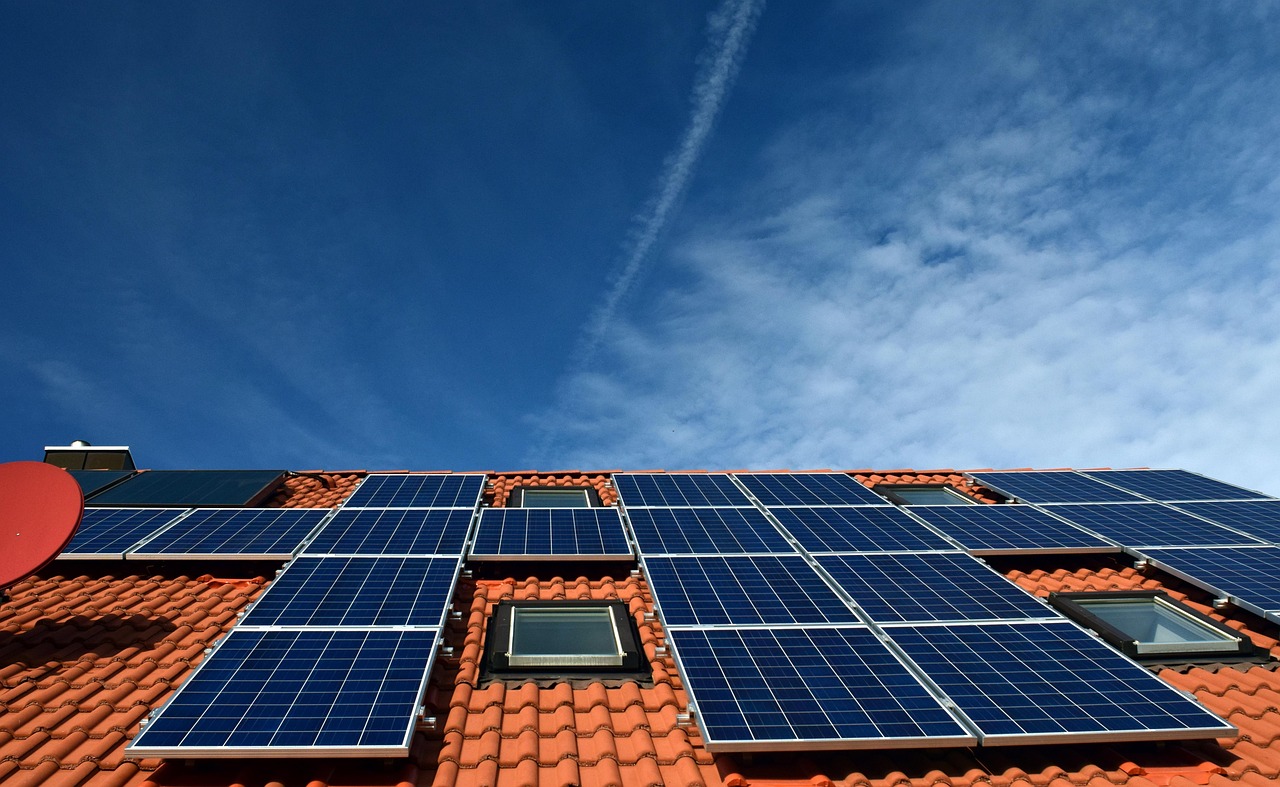
You can replace parts of your building—roofs, façades, even windows—with solar modules that generate electricity while serving as the building material. BIPV solar modules blend photovoltaic technology into the structure itself, so you save space, maintain design aesthetics, and produce on-site energy without the bulky look of traditional panels.
This post Bipv Solar Modules will explain what BIPV modules are, how they compare with conventional rooftop systems, and the practical benefits and steps for implementing them on a project. Expect clear guidance on performance, design choices, and real-world considerations so you can decide whether BIPV fits your building and goals.
Bipv Solar Modules Overview
BIPV modules replace conventional building elements with electricity-generating materials while preserving structural and aesthetic function. Expect trade-offs between energy density, transparency, and architectural integration when selecting modules for façades, roofs, or glazing.
What Are Bipv Solar Modules
BIPV modules are photovoltaic units designed to serve simultaneously as building envelope components and power generators. Instead of mounting panels on top of a roof, you install modules that become part of the roof, curtain wall, or window system.
They integrate directly with cladding, roofing tiles, or glazed areas and must meet building-code requirements for weatherproofing, fire performance, and structural loads. Electrical connections, junction boxes, and in many projects microinverters or power optimizers are concealed to maintain the building’s appearance.
You’ll find BIPV products built from crystalline silicon, thin-film, or semi-transparent cell stacks, each offering different efficiency, weight, and translucency. Choose a technology based on your required appearance, installation constraints, and expected energy yield.
Key Features and Technologies
BIPV emphasizes multifunctionality: energy generation, weather protection, and aesthetics. Key technical features include module form factor (tiles, cladding panels, glazing), integration hardware (mounting rails, flashing), and compliance features (fire rating, wind uplift resistance).
Common technologies:
- Crystalline silicon: higher efficiency, opaque panels or integrated tiles.
- Thin-film (CIGS, CdTe): flexible, better low-light performance, can be semi-transparent.
- Semi-transparent PV and bifacial cells: allow daylighting or capture reflected light from building surfaces.
Electrical components you should consider: embedded wiring, bypass diodes, and the choice of centralized inverter versus module-level power electronics. Thermal behavior matters too; façade-mounted modules may run hotter and yield less per cell than optimally ventilated rooftop installations.
Types of Bipv Applications
BIPV suits several building elements; pick the type that matches your design intent and performance needs.
- Roof-integrated: replaces shingles or tiles with PV tiles or standing-seam PV; good for maximizing capacity on pitched roofs.
- Façade/cladding: thin PV panels or laminated glass used as ventilated façades or rainscreens; ideal where roof area is limited.
- Glazing and skylights: semi-transparent modules or PV laminates provide daylight and solar gain control while generating power.
- Canopies and balustrades: custom modules used for shading devices, sunshades, or balcony railings.
Each application requires coordination with the building envelope, electrical design, and maintenance strategy. You’ll need to plan for access, panel replacement, and potential shading from adjacent architectural elements.
Benefits and Implementation
BIPV modules save roof or façade space while producing on-site electricity, reduce some building material costs, and change how you approach aesthetics and engineering. The subsections below explain performance impacts, how to integrate modules into building design, and key installation considerations you must address.
Energy Efficiency and Performance
BIPV replaces conventional cladding or roofing and simultaneously generates electricity, so you reduce material redundancy and capture solar energy from the building envelope. Expect module power density to be lower than optimally tilted rooftop arrays because façades and sloped roofs often have non-ideal orientation and shading. Specify module PCE (power conversion efficiency), temperature coefficient, and testing standards (IEC 61215/61730 or equivalent) when comparing products.
Plan for site-specific yield estimates using hourly solar resource data and array azimuth/tilt. Incorporate module-level power electronics (microinverters or DC optimizers) to mitigate mismatch from partial shading or mixed orientations. Factor in long-term degradation rates and warranty terms for both electrical and building-material performance.
Design and Architectural Integration
You must treat BIPV as both building material and electrical equipment. Choose modules that meet fire, wind, and impact resistance ratings required by local codes and that visually match façade or roof finishes. Options include translucent glass-glass modules for skylights, thin-film or glass-backed cells for curtain walls, and frameless roof tiles that integrate with drainage details.
Coordinate early with architects, structural engineers, and MEP designers to align mounting details, thermal and moisture control layers, and routing for DC cabling and junction boxes. Provide mock-ups and sample panels for color, reflectance, and alignment checks. Include mounting details in construction documents to preserve warranty and ensure watertight transitions.
Installation Considerations
You must verify structural capacity and attachment points before specifying BIPV. Assess dead load, uplift from wind, and point loads from panel frames or rails. Retrofit projects often need roof rework or reinforcement; quantify those costs in the project budget.
Plan electrical integration: locate inverters, combiner boxes, and monitoring systems to minimize DC run length and comply with NEC or local electrical code. Define access for maintenance and cleaning, and include safe disconnects and labelling. Finally, secure manufacturer installation training and written acceptance criteria to ensure performance and maintain warranty eligibility.