Plumbing disasters can strike at any hour, and how you act in the first few minutes often determines whether you face a quick fix or costly damage. If a pipe bursts, a sewer backs up, or a water heater fails, shut off the main valve and call a licensed emergency plumber immediately to stop damage and protect your home. You’ll learn which emergency plumbing require urgent pros and which you can stabilize yourself.
This post Emergency Plumber will walk you through common plumbing crises and clear, practical steps to take before help arrives so you can limit harm and give the technician the information they need to resolve the issue fast. Stay calm, act deliberately, and you’ll cut response time and reduce repair costs.
Common Plumbing Emergencies
You need quick, focused actions that limit water damage, protect electrical systems, and stop ongoing leaks. Prioritize safety, shut off water or power when appropriate, and call a qualified emergency plumber if you can’t control the situation within minutes.
Burst Pipes
A burst pipe can release gallons of water per minute and flood rooms fast. Shut off your main water valve immediately, then open nearby faucets to relieve pressure and drain remaining water from the system.
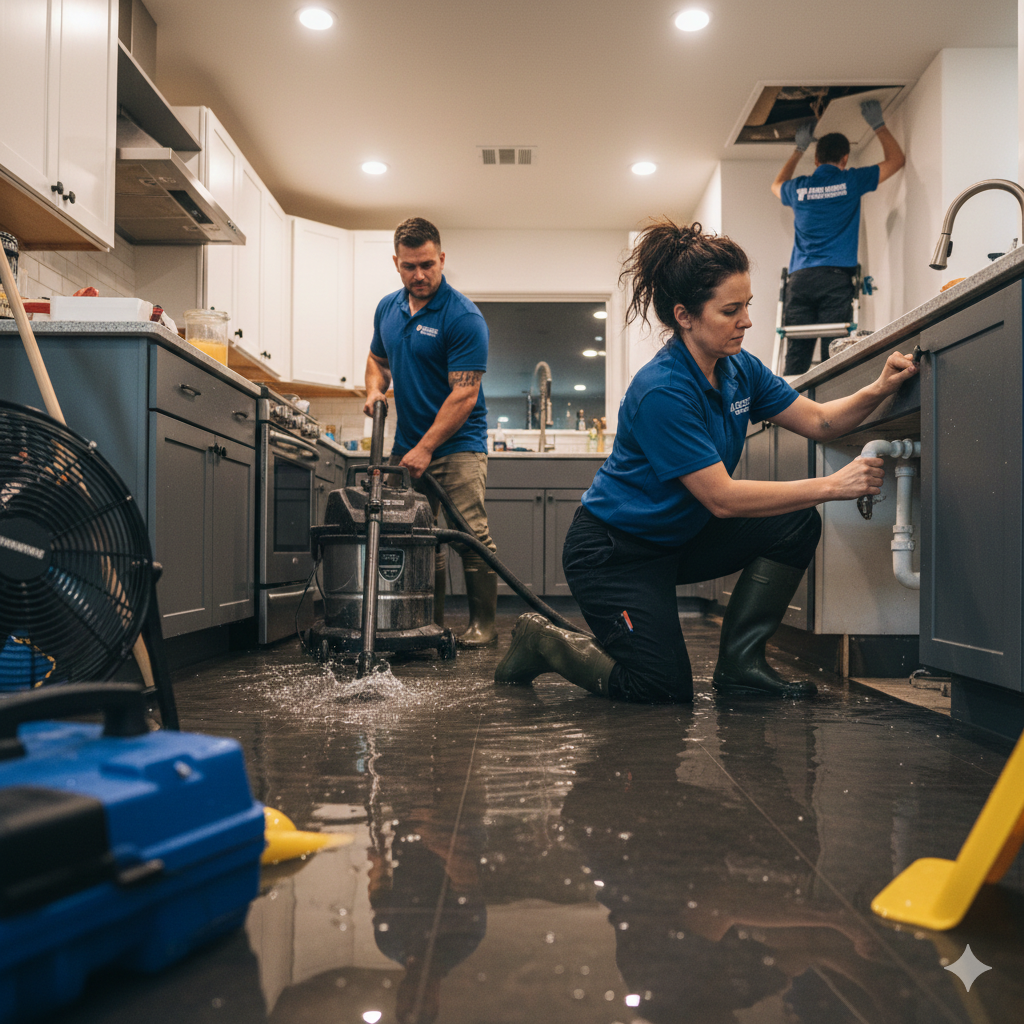
Move belongings and furniture away from the leak and raise electronics off the floor. Use buckets, towels, or a wet/dry vacuum to remove standing water and reduce secondary damage. If the burst area is accessible, wrap it with rubber and clamp it temporarily, or use pipe repair tape as a short-term seal until a professional arrives.
Watch for signs of structural or electrical danger: bulging drywall, sagging ceilings, or water near outlets or appliances. If water reaches electrical components, shut power to that circuit at the breaker before approaching. Document damage for insurance with photos and notes on actions you took.
Clogged Drains
Clogs often start in sinks, showers, and tubs from hair, soap, grease, or food buildup. Try a plunger or a drain snake first; these simple tools clear many blockages without chemicals and preserve pipes.
Avoid chemical drain cleaners for recurring clogs — they can damage pipes and harm septic systems. For sink clogs, remove and clean the P-trap; this often eliminates the obstruction and gives you an early sign of pipe corrosion or small leaks. If water backs up in multiple fixtures (toilet and tub together), suspect a main sewer line issue and call an emergency plumber immediately.
Schedule camera inspection if clogs recur or plunging fails. A plumber can locate tree root intrusion, collapsed pipes, or misplaced objects and recommend repair options like trenchless sewer repair when appropriate.
Overflowing Toilets
An overflowing toilet risks immediate flooding and sanitation hazards. Stop the water at the tank by closing the shutoff valve behind the toilet; if that fails, lift the tank lid and hold down the flapper to stop flow into the bowl.
Use a plunger designed for toilets to clear ordinary blockages, applying firm, steady strokes. If plunging doesn’t work, a closet auger can reach deeper clogs without damaging the porcelain. Wear gloves and disinfect surfaces after cleanup to control bacteria and odors.
If multiple drains back up, or sewage returns through floor drains or showers, cease using water and contact an emergency plumber—this indicates a sewer line failure that requires professional equipment and safe handling.
Steps to Take Before Help Arrives
Act quickly to limit water flow, protect belongings, and document damage for insurance. Locate shut-off points, channel or soak up standing water, and move valuables to a dry, elevated spot.
Shutting Off the Water Supply
Find and turn off the nearest shut-off valve to the affected fixture first—under sinks, behind toilets, or at the washing machine. If the leak persists or you cannot access a local valve, shut off the main water supply; this is usually at the water meter near the curb or inside a basement utility area.
Turn clockwise on gate valves or quarter-turn on ball valves until tight. Use pliers or a wrench only if the valve is stiff; forcing a broken valve can worsen the situation. After shutting water off, open nearby taps to relieve trapped pressure and drain remaining water from the lines.
If the leak involves appliances or the water heater, also switch off their supply valves and unplug electrical connections (only if safe to reach). Note the time you shut the water and record the valve position for the plumber and your insurer.
Containing Water Damage
Stop water spread by placing towels, mops, and absorbent pads at thresholds and under leaks. Create temporary barriers using rolled towels or plastic sheeting taped to the floor to keep water from moving into hallways or lower levels.
Remove rugs, furniture cushions, and electronics from the wet zone immediately. Elevate salvageable furniture on blocks or stacks of clean wood to keep legs and bases above the waterline. If water has soaked into carpets, pull back edges to expose flooring so it can dry faster.
Turn off electricity to affected rooms at the breaker if water is near outlets, switches, or appliances. Do not walk through standing water if power might still be live. Photograph and timestamp all affected areas before you move items for insurance documentation.
Protecting Valuables
Move irreplaceable items—documents, photos, hard drives, and jewelry—to a dry, secure location immediately. Place papers and photos in plastic bags or containers; store electronics in waterproof boxes or at higher elevation like countertops or upper shelves.
For soaked books or documents, keep them flat and air-dry in a ventilated area; do not apply heat. Remove batteries from wet electronics to prevent corrosion and further damage, then let them dry before professional inspection.
Create a simple inventory as you move items: item name, room, and visible damage. Use your phone to photograph each item and save time-stamped images to assist with insurance claims and to help your emergency plumber prioritize what to salvage during service.