You can turn parts of your building—roof, facade, or windows—into electricity-generating surfaces without adding bulky racks or separate arrays. Building-integrated photovoltaic (BIPV) panels replace conventional building elements to produce power while serving structural, weatherproofing, or aesthetic functions, cutting energy use and blending solar into design.
This post Building Integrated Photovoltaic Panels will show how BIPV works, where it fits best, and what to consider when you plan or specify systems for new construction or retrofits. Expect clear guidance on types, performance trade-offs, and practical installation and design choices that help you decide whether BIPV suits your project.
Understanding Building Integrated Photovoltaic Panels
BIPV systems replace or become part of building elements—roofs, façades, windows—while generating electricity and maintaining structural or aesthetic functions. You’ll see specific technologies, form factors, and trade-offs that affect performance, cost, and design integration.
What Are Building Integrated Photovoltaic Panels
Building-integrated photovoltaic (BIPV) panels are photovoltaic materials designed to serve as part of a building’s envelope while producing electricity.
They directly replace conventional building components—roof tiles, curtain wall glazing, or cladding—so you don’t mount separate racks or modules on top of the structure.
Functionally, BIPV combines electrical generation with weatherproofing, insulation, or daylighting roles.
You should expect differences from standard PV: lower nominal efficiency for some aesthetics-focused products, and tighter coordination with building systems (electrical, structural, and waterproofing).
Key technical considerations include module orientation, module shading by adjacent architecture, and integration with inverters and building energy management systems.
Plan early in design to coordinate structural loads, fire codes, and electrical routing.
Types of Building Integrated Photovoltaic Technologies
Common BIPV technologies include crystalline silicon modules adapted for façades, thin-film modules for flexible or semi-transparent uses, and emerging options like bifacial and semi-transparent cells.
Crystalline silicon suits high-efficiency roof or opaque cladding applications.
Thin-film (CIGS, CdTe, amorphous silicon) provides flexibility, lighter weight, and better aesthetics for curved surfaces and some glazing.
Semi-transparent PV integrates into windows and skylights; it reduces solar gain while producing power and preserving daylight.
Bifacial modules capture reflected light from both faces and work well on light-colored roofs or façades with reflective surfaces.
BIPV also appears as building-applied photovoltaics (BAPV) versus true integrated products—BAPV mounts to the envelope, while BIPV replaces it.
Material choice affects lifespan, thermal performance, fire rating, and maintenance. Evaluate warranty terms, expected degradation rates, and compatibility with your building envelope.
Key Benefits for Modern Construction
BIPV reduces the need for separate mounting structures and can cut material and labor by replacing conventional cladding or glazing.
You can recover some upfront cost by combining roofing or façade functions with power generation.
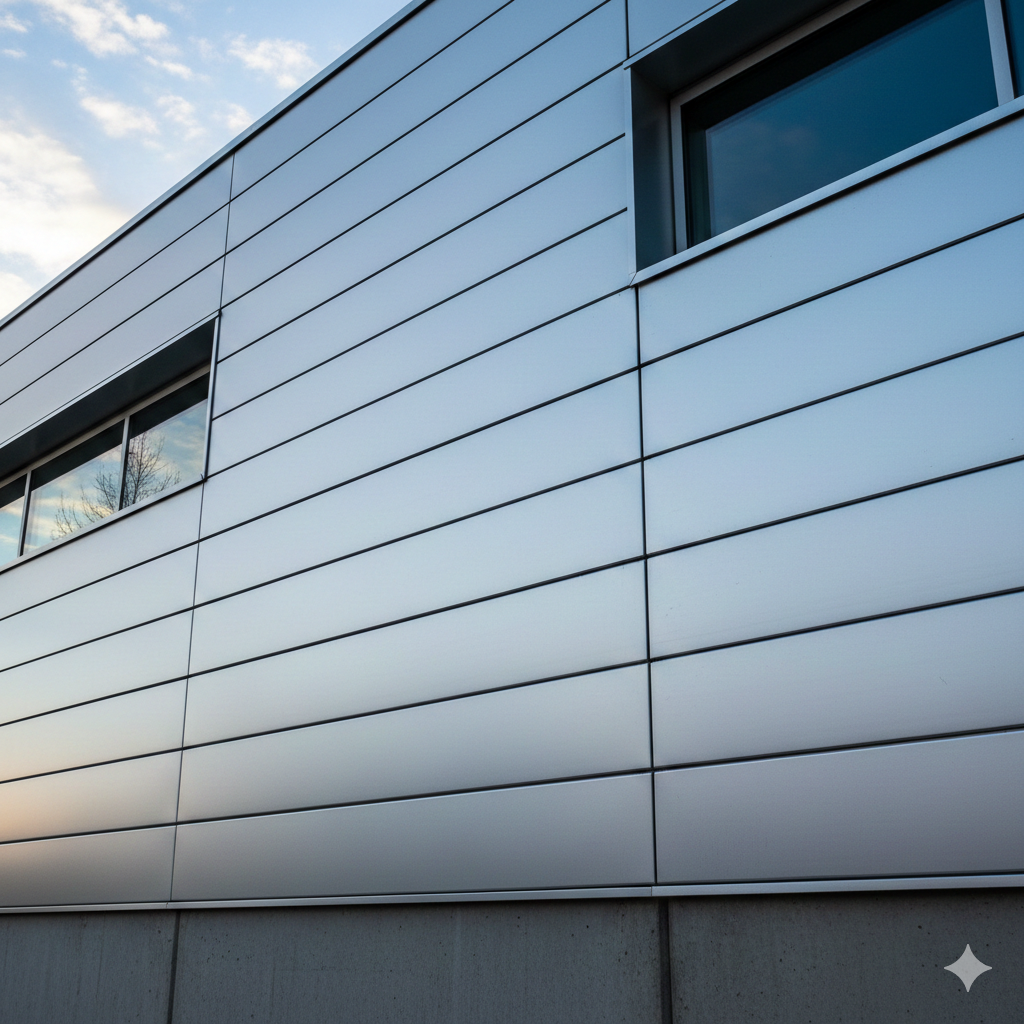
Aesthetics and design flexibility matter: manufacturers offer color, texture, and semi-transparent options so you can meet architectural goals without sacrificing energy production.
You can integrate PV into façades to provide shading or into glazing to control visual glare and daylighting.
Operational benefits include on-site generation that lowers grid consumption and peak demand.
When tied to building energy management, BIPV can reduce HVAC loads through shading and lower net energy use.
Regulatory incentives, green building certifications, and life-cycle carbon reductions are additional practical drivers for adopting BIPV.
Design, Applications, and Implementation
This section explains practical design choices, typical building applications, common installation methods, and the regulatory standards that affect product selection and permitting.
Design Considerations and Aesthetic Integration
You should start by matching BIPV module type to the building’s envelope: thin-film, crystalline, or glass-glass laminates each have different thickness, weight, and transparency characteristics.
Consider thermal performance and U-value impacts when replacing opaque cladding with PV panels. Wind loading, dead load, and fixation details matter for structural integrity; obtain engineering calculations specific to your façade or roof span.
Aesthetic goals steer module selection and layout. Use frameless modules, custom-colour back sheets, or semi-transparent modules to preserve sightlines and daylight. Plan for maintenance access, module replacement, and electrical routing early to avoid visible conduits or disruptive retrofits.
Residential and Commercial Use Cases
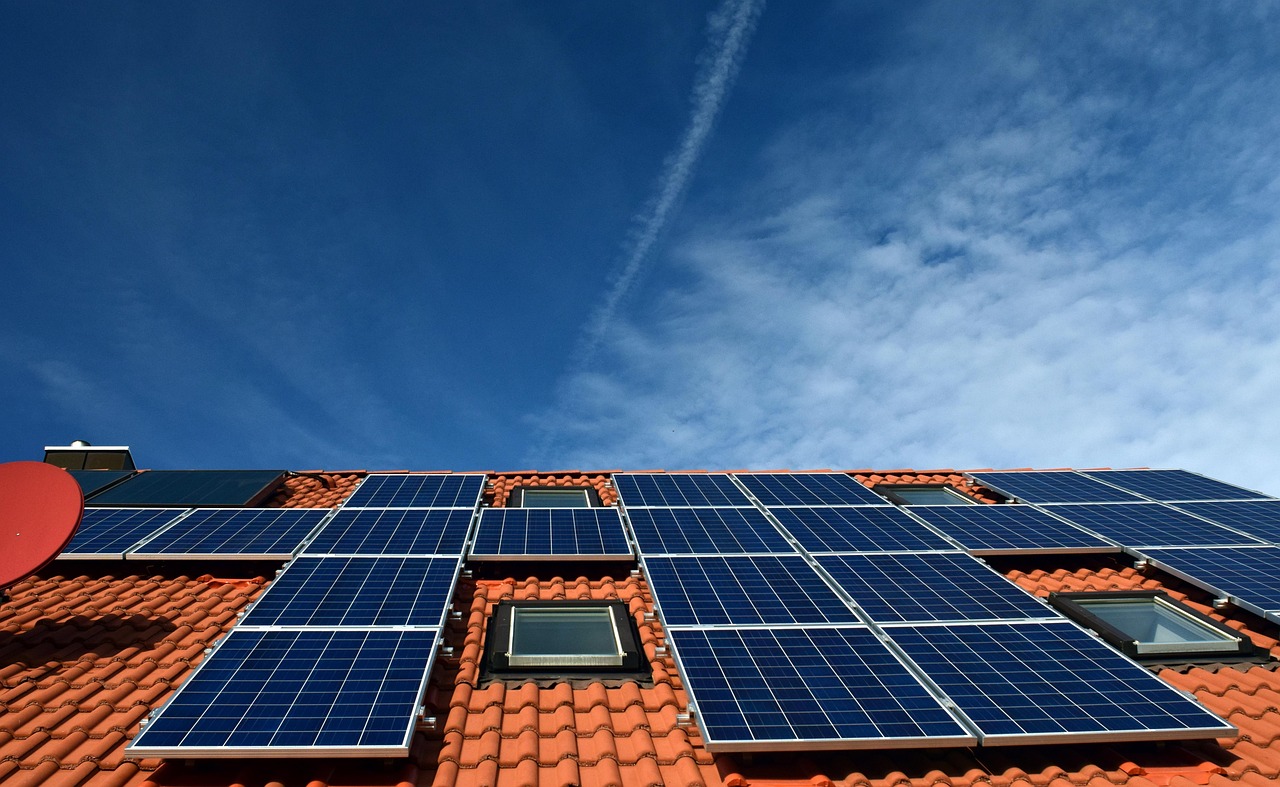
For residences, BIPV commonly replaces roof tiles, skylights, and porch canopies. You can expect lower peak production per unit area than optimized rooftop PV because design prioritizes appearance and envelope function. Integrate with roof thermal insulation and attic ventilation to avoid moisture or heat buildup.
In commercial buildings, façades, curtain walls, and canopies provide larger continuous areas for BIPV, enabling higher generation and easier integration with building energy management systems (BEMS). You should size arrays to serve HVAC loads or EV charging where possible and coordinate with tenant space planning and fire egress routes.
Installation Methods and Challenges
Installers either retrofit modular BIPV panels onto standard framing or replace cladding with fully integrated panels. For curtain-wall integration, use unitized panels with factory-sealed electrical connections to reduce site labor. Roofing BIPV may use direct-bond tiles or rail-mounted modules depending on roof pitch and substrate.
Common challenges include water intrusion at penetrations, thermal expansion mismatch between modules and surrounding materials, and complicated wiring runs for distributed strings. You must coordinate trades—glazing, roofing, electrical, and structural—during planning to avoid sequencing delays. Budget for specialized labour and longer permitting timelines than conventional PV.
Regulatory Standards and Certifications
You need to verify product compliance with structural and electrical codes in your jurisdiction. Look for certifications such as IEC 61730 (safety), IEC 61215 (durability for crystalline modules), and local equivalents for fire performance and wind uplift. Glazed BIPV elements often require testing for impact resistance and fire spread per local building code clauses.
Permitting often requires combined review by the building official and the electrical inspector; provide shop drawings, structural calculations, and test reports. For projects seeking incentives or green building credits, confirm that BIPV products meet program-specific product lists or commissioning requirements before procurement.