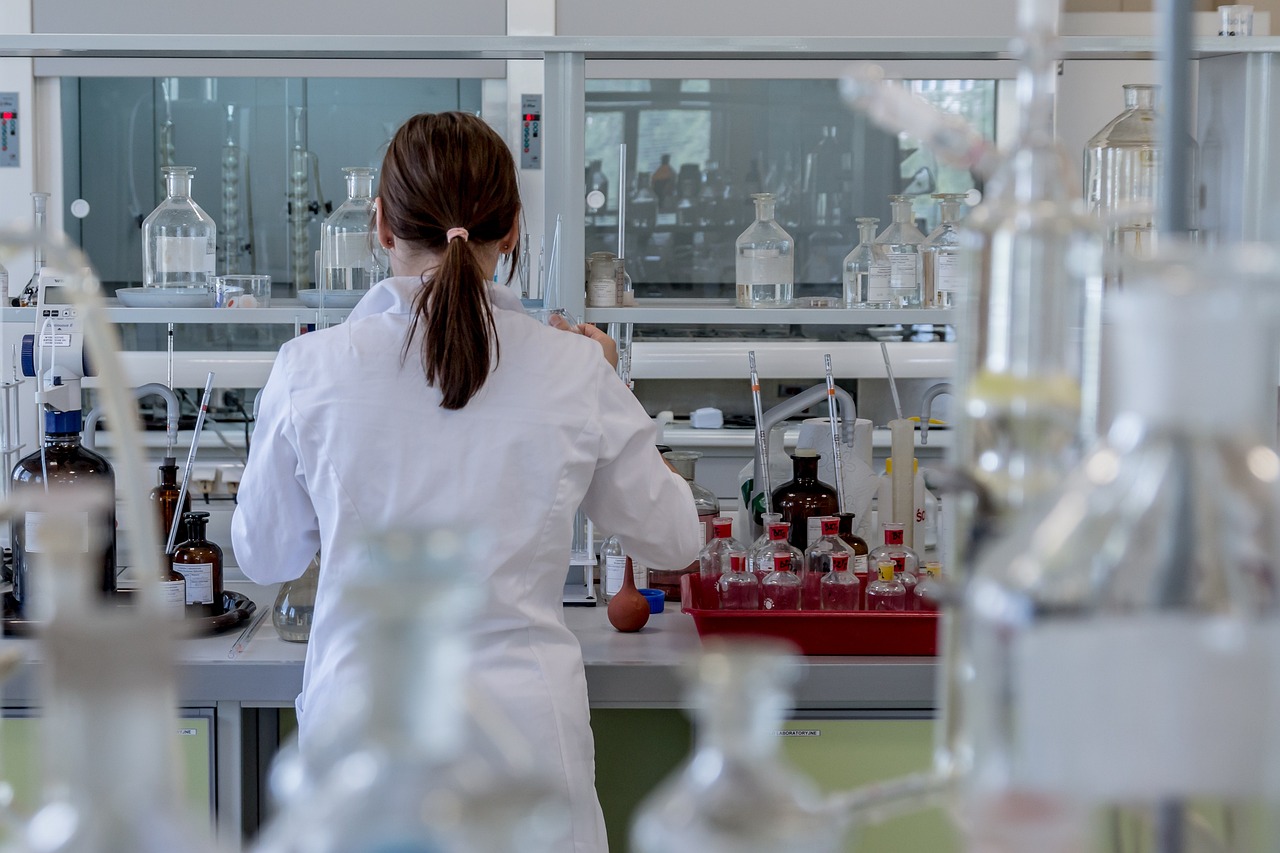
You rely on the right lab supplies and equipment to get accurate results, keep workflows efficient, and meet safety and compliance standards. Choose quality consumables, reliable instruments, and supplier support that match your protocols and budget to reduce errors and downtime.
This article breaks down essential supply categories, shows how to compare vendors and specs, and gives practical tips for selecting equipment that fits your lab’s scale and goals. Expect clear guidance on what to buy, what to prioritize, and how to avoid common procurement mistakes so your next purchase delivers predictable performance.
Essential Categories of Laboratory Supplies
You need reliable, purpose-specific items that support measurement, containment, and routine procedures. Focus on durable materials, calibration, and single-use options where contamination control matters.
Glassware and Plasticware
Select glassware and plasticware based on chemical compatibility, temperature tolerance, and precision needs. Use borosilicate glass (e.g., Pyrex) for heating, reflux, and reactions that require thermal shock resistance. Choose soda-lime glass for general storage where heat is not applied.
For biological work, favor autoclavable plastics (polypropylene) and disposable polystyrene for assays where sterility matters. Replace scratched or etched glassware; surface damage affects strength and cleanliness.
Keep a basic inventory: beakers, Erlenmeyer flasks, graduated cylinders, volumetric flasks, round-bottom flasks, and reagent bottles. Include specialized pieces such as separatory funnels, condensers, and culture flasks when procedures require them. Label containers with chemical-resistant markers and store compatible reagents together to prevent hazardous interactions.
Measurement and Weighing Instruments
Accurate measurement underpins reproducible results. Use analytical balances for microgram to milligram precision and top-loading balances for routine gram-level work. Calibrate balances regularly with traceable standards and log adjustment dates.
For liquid measurement, select Class A volumetric glassware when you need high accuracy; use pipettes (single-channel or multi-channel) for small volumes. Maintain pipette accuracy via periodic calibration and technique training to reduce variability.
Include temperature controls and sensors: digital thermometers, calibrated thermocouples, and circulating water baths for controlled heating/cooling. For advanced labs, add spectrophotometers and pH meters; keep probes clean and calibrate with fresh standards before critical measurements.
Consumables and Disposables
Stock consumables to prevent workflow interruptions and contamination risks. Maintain a supply of gloves (nitrile for chemical resistance), sterile pipette tips with filters, microcentrifuge tubes, cryovials, and PCR plates if doing molecular work. Rotate stock by expiration date and store according to manufacturer instructions.
Include cleaning and decontamination supplies: solvent wipes, lens tissue, disinfectants, and absorbent pads. Use single-use items for aseptic techniques and hazardous sample handling to limit cross-contamination. Track usage rates and set reorder points to avoid shortages during critical experiments.
Best Practices for Selecting Laboratory Equipment
Focus on proven performance, regulatory compliance, and realistic life-cycle costs. Prioritize instruments that meet your application accuracy, throughput needs, and available maintenance support.
Assessing Quality and Certification Standards
Check certifications that directly affect your work: ISO 9001 for manufacturer quality systems, ISO/IEC 17025 for calibration and testing labs, and relevant FDA or CE markings for medical devices. Request certificates of conformity, calibration certificates for critical measurement devices, and traceability to national standards.
Inspect performance data: ask for validation reports, accuracy/precision metrics, and instrument drift over time. Compare manufacturer specifications against independent third-party tests when available. Evaluate build materials, tolerances, and software version histories to ensure long-term reproducibility.
Include supplier audits in your assessment. Verify warranty terms, spare-parts availability, and documented change-control for firmware/software updates. Require a documented corrective-action history for recurring failures.
Budgeting and Cost Considerations
Calculate total cost of ownership (TCO) not just purchase price. Include installation, validation, consumables, routine calibration, service contracts, and expected downtime costs. Model TCO over the instrument’s expected useful life (typically 5–10 years for benchtop analyzers).
Negotiate bundled costs: ask suppliers to include installation, training, and first-year consumables in the quote. Compare multi-year service contracts versus per-incident rates using expected usage scenarios. Reserve 10–20% of annual equipment budget for unplanned repairs and consumable price inflation.
Prioritize modular or scalable systems if you expect changing throughput. Buy refurbished or demo units only when full service history and recent calibrations are available. Use lifecycle cost tables to compare options side-by-side.
Maintenance and Safety Guidelines
Define a preventive maintenance schedule before purchase: list daily, weekly, monthly, and annual tasks and required spare parts. Ensure the supplier provides a downloadable maintenance manual and on-site or remote support with guaranteed response times.
Implement safety controls specific to each instrument: required PPE, fume hood or containment, electrical grounding, and emergency shutdown procedures. Confirm electrical, ventilation, and space requirements during site planning to avoid costly retrofits.
Document maintenance logs, calibration records, and incident reports in a centralized, searchable system. Train at least two staff members on routine maintenance and troubleshooting, and require supplier-led competency training during installation.