When your furnace fails, you need fast, practical steps that get heat back into your home and keep your household safe. Call a certified technician immediately for suspected gas leaks, burning smells, or complete system failure; for less urgent issues like intermittent blowing or strange noises, shut the system off and schedule same-day service to prevent escalation.
This article Emergency Furnace Repair explains what qualifies as a furnace emergency, how to assess immediate risk, and which actions you can take safely while you wait for professional help. You’ll learn clear decision points for when to shut down equipment, when to ventilate, and what information technicians need to diagnose and fix the problem quickly.
Understanding Emergency Furnace Repair
You’ll learn which situations require immediate action, the clear signs that demand a call to a technician, and the safety risks if you wait. These points focus on practical, safety-driven decisions you can make right away.
What Qualifies as a Furnace Emergency
A furnace emergency involves sudden failures that threaten safety, health, or basic habitability. Examples include a complete loss of heat during sub-freezing weather, visible gas leaks, or persistent carbon monoxide (CO) detector alarms tied to the furnace.
Electrical sparking inside the furnace, oil or gas smell that intensifies when the unit runs, and flames that are yellow or irregular instead of steady blue also qualify.
If you notice any of these, shut off the furnace (if safe), evacuate if you smell gas or detect CO, and call a licensed HVAC technician or emergency service immediately. After-hours rates may apply, but safety exceptions override cost concerns.
Common Signs Your Furnace Needs Immediate Repair
No heat at all when the thermostat is set correctly indicates a serious malfunction—possible failed burner, ignition, or control board.
Unusual, loud noises such as banging, squealing, or grinding suggest mechanical failure like a broken belt, motor bearing failure, or loose heat exchanger mounting. These can worsen quickly.
Persistent gas odors, yellow pilot/flame color, and high CO alarm readings require immediate evacuation and professional intervention.
Repeated short cycling (turning on and off rapidly) signals control or airflow problems that can overheat components. Write down when the issue started and any recent maintenance to give the technician useful diagnostics.
Dangers of Delaying Emergency Repairs
Delaying repair increases risk to personal safety and raises repair costs. A cracked heat exchanger can leak carbon monoxide into living spaces; CO is odorless and can cause headaches, dizziness, or fatal poisoning.
Continuing to operate a furnace with gas leaks or electrical arcing raises fire and explosion hazards. Small faults like a failing motor can rapidly escalate into motor burnout or control board damage, leading to more expensive replacements.
Delays also expose plumbing and pets to cold damage if heat loss persists during extreme weather. Document symptoms and avoid using the unit when a safety-related issue (gas smell, CO alarm, visible flame change) is present.
How to Handle Furnace Emergencies
Act quickly to secure safety, restore heat using temporary measures, and contact a qualified technician. Know which checks you can safely perform and what information to have ready for a fast repair call.
Immediate Steps to Take During a Furnace Failure
First, ensure safety: turn off the furnace at the thermostat and the breaker if you smell gas or see sparks. If you smell gas, evacuate everyone, leave doors closed, and call your gas utility or emergency number from a safe location.
Check simple causes you can fix safely: replace a tripped/reset circuit breaker, change a dirty filter, and confirm the thermostat is set to “heat” and above room temperature. Look for a blocked vent or flue outside and clear light snow or debris that could restrict airflow.
Use temporary heating wisely: portable electric heaters can warm a single room but place them on a level surface 3 feet from combustibles and never leave them unattended. Close off unused rooms, seal drafts with towels, and layer clothing to reduce heat loss while you wait for repair.
Choosing the Right Emergency Furnace Repair Service
Pick a licensed HVAC company with explicit emergency availability and clear pricing. Confirm the technician can service your furnace brand, is insured, and will provide a written estimate before major work begins.
Ask these specific questions when you call: “Are you NATE-certified or similarly credentialed?” “Do you provide same-day emergency service?” and “What is your after-hours flat fee?” Request photos of the technician’s ID and vehicle markings when they arrive, and verify the company’s business license and local reviews.
Get written details: parts warranty, labor warranty, and the expected time to complete repairs. If the repair is costly, ask for a repair-versus-replace evaluation and a written cost breakdown so you can make an informed decision.
Prevention Tips to Avoid Furnace Breakdowns
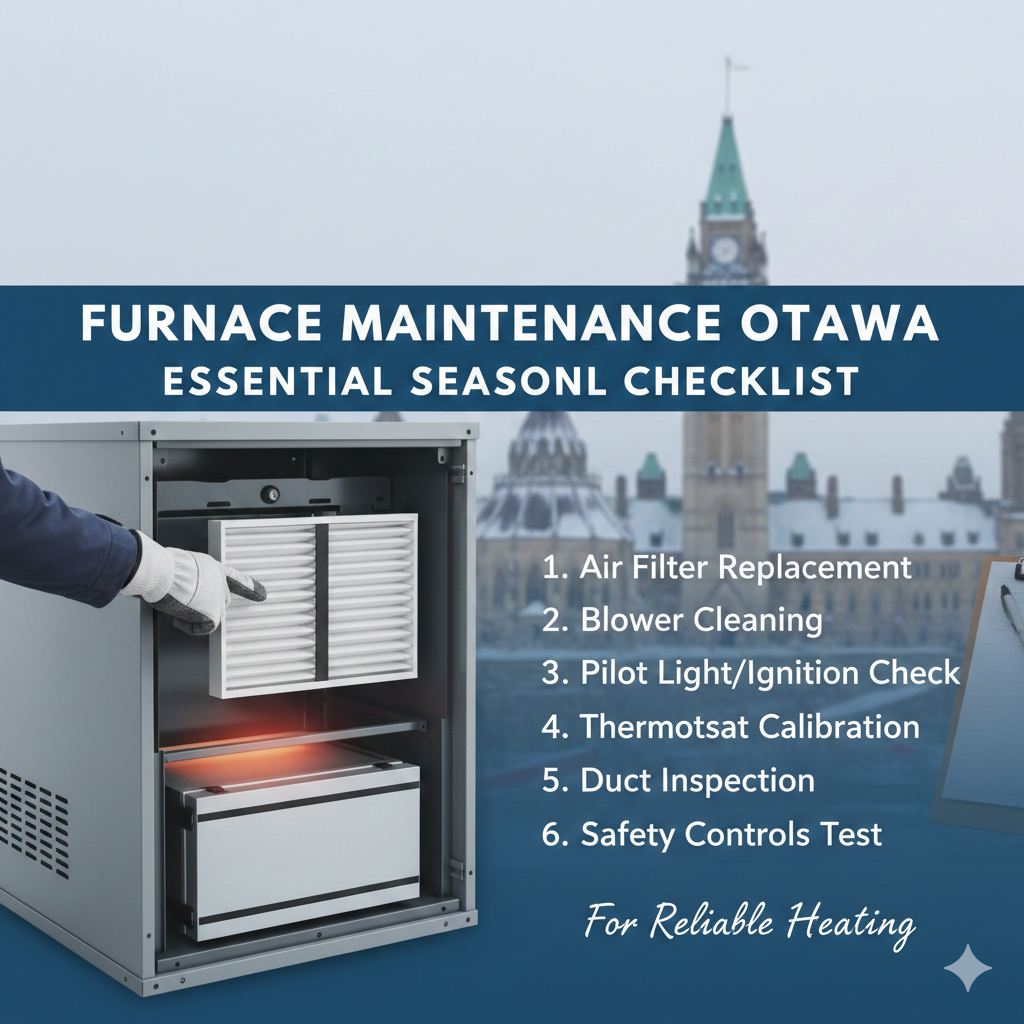
Schedule professional maintenance twice a year—once before fall and once before winter peak demand. During service, technicians should inspect heat exchangers, test safety controls, clean burners, and measure carbon monoxide levels.
Replace filters every 1–3 months depending on type and household conditions. Keep vents and combustion air inlets clear of furniture and lint, and install a carbon monoxide detector within 10 feet of sleeping areas with fresh batteries tested monthly.
Document maintenance and repairs in a log with dates, technician names, and parts replaced. That record helps technicians spot recurring issues and supports warranty or insurance claims if needed.