You want a Renovations in London that fits your lifestyle, budget, and the realities of London’s housing market. Local contractors handle permits, trade coordination, and full-service work from kitchens and bathrooms to basements and commercial spaces, so choosing the right team saves time, money, and stress.
This article Renovations London walks through what renovation services in London cover and how to plan and execute projects that stay on schedule and on budget. Expect practical guidance on hiring licensed professionals, managing inspections and permits, and sequencing work so your project runs smoothly.
Renovation Services in London
You will find targeted services for homes, businesses, flats and offices that focus on practical upgrades, code compliance, and value retention. Expect clear scopes, phased timelines, and choices that balance budget with long-term performance.
Home Renovations
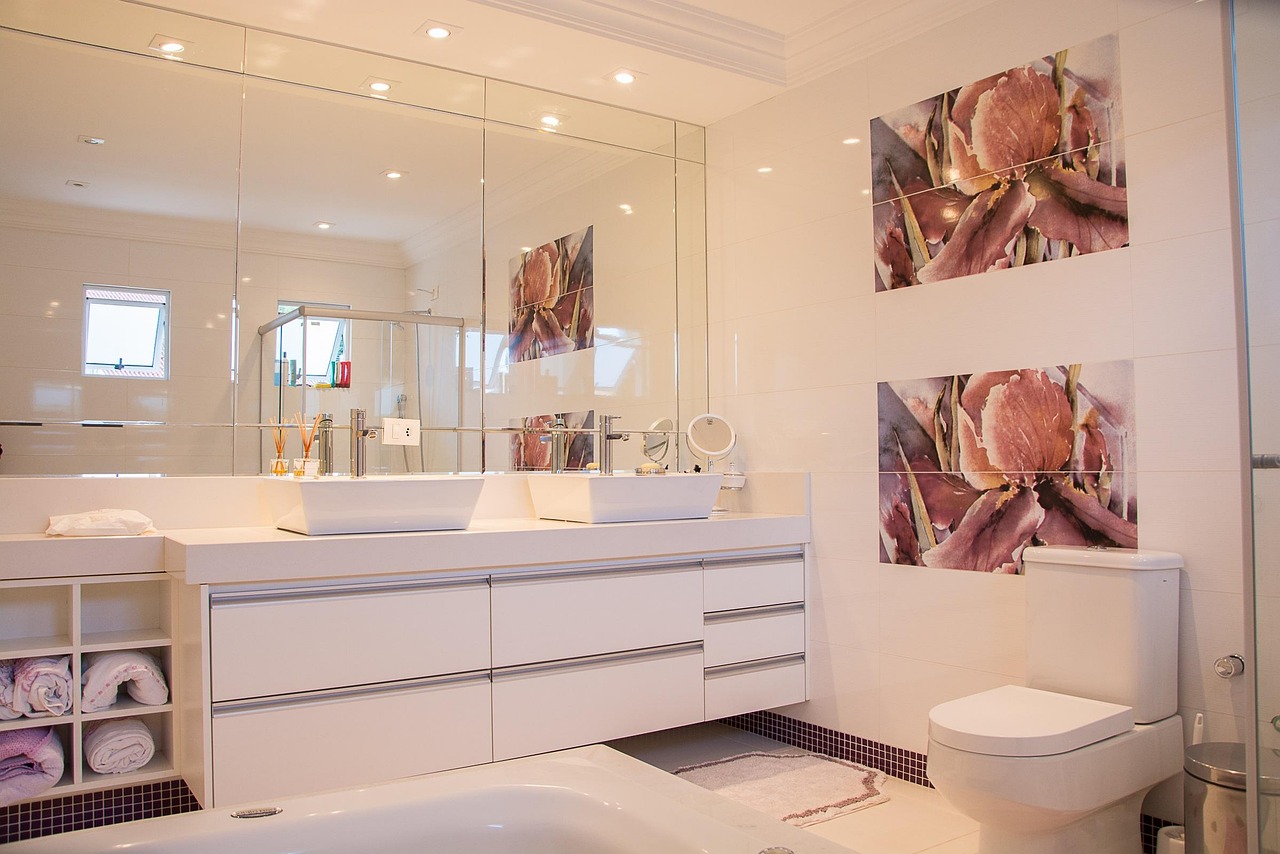
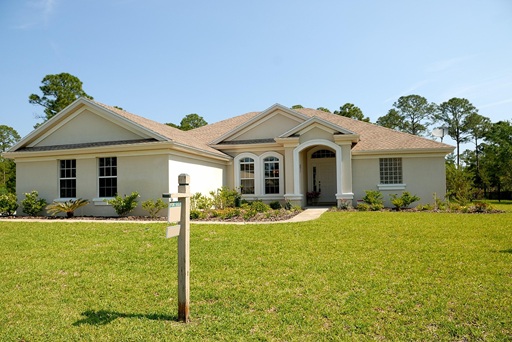
You can get full-house refurbishments, kitchen remodels, bathroom overhauls, loft conversions, and home extensions tailored to your lot and local zoning. Contractors typically start with a detailed site survey, measured drawings, and a fixed or phased estimate so you know cost and timing before work begins.
Focus areas include plumbing and electrical upgrades to meet 2020/21 code, energy-efficient insulation and windows, durable flooring, and waterproofing in basements and wet rooms. You should request warranties on trades, a project schedule with milestones, and references for similar London homes. Ask about permit handling andParty Wall agreements if your project affects neighbors.
Commercial Renovations
You will receive services aimed at minimizing business downtime while improving functionality, accessibility, and compliance. Typical commercial work covers retail refits, restaurant builds, storefront updates, and multi-unit property common-area upgrades.
Key deliverables include phased construction plans to allow partial operation, acoustic and lighting improvements for customer experience, and commercial-grade finishes that withstand higher footfall. Ensure your contractor coordinates with building management, obtains necessary business-use permits, and provides asbestos and fire-safety checks where older buildings are involved.
Flat Refurbishments
Flat refurbishments concentrate on efficient layouts, soundproofing between units, and adherence to leasehold and block regulations. You should expect work like kitchen replacements, bathroom retiles, redecoration, and floor levelling done with minimal disturbance to neighbors.
Important considerations: obtain landlord or freeholder consent when required, confirm building-access windows and lift usage for materials, and verify condominium insurance implications. Insist on moisture testing in bathrooms and proper ventilation to prevent future mold issues. A clear snagging list and short-term maintenance support help protect your investment after handover.
Office Space Upgrades
Office upgrades focus on productivity, flexibility, and building-services integration for heating, cooling, and data cabling. You can choose open-plan reconfigurations, meeting-room fit-outs, acoustic pods, and ergonomic finishes to match your business needs.
Make sure plans include raised flooring or cable-management routes, LED lighting design with daylight sensors, and network infrastructure built to Cat6a or better depending on bandwidth needs. Check for compliance with accessibility standards and health-and-safety regulations. Phased implementation and weekend shifts reduce operational impact during installation.
Planning and Executing Successful Renovations
Focus on clear objectives, realistic budgets, and hire people with relevant London experience. Secure any necessary permits early and set firm decision deadlines to avoid costly delays.
Design Consultation Process
Start with a measured briefing: list must-have changes, approximate room-by-room sizes, existing problems (damp, structural, outdated wiring), and your target completion date. Bring photographs and measured floor plans to the consultation so the designer can give precise feasibility feedback.
Ask designers for two deliverables: a concept sketch with spatial layouts and a fixed-fee quote for detailed drawings and specification. Confirm who will produce planning or building-regulation drawings and whether they coordinate with structural engineers.
During the process, insist on a written scope that details finishes, fixtures (make/model where possible), and warranties. Use a short decision timetable—typically 7–14 days per stage—to keep procurement and contractor scheduling on track.
Choosing Reputable Contractors
Vet at least three builders with London-specific experience: ask for recent projects of similar scale and check VAT registration and insurance (public liability and employer’s). Visit one live site if possible to assess cleanliness, organisation, and worker conduct.
Request a written contract that breaks costs into labour, materials, allowances, and provisional sums. Include a payment schedule tied to completed milestones and retainage (e.g., 5–10% until final snagging). Avoid large upfront payments; a small mobilization fee is reasonable.
Check references for punctuality, handling of variations, and aftercare. Confirm the contractor’s familiarity with local permitting and conservation-area rules to reduce risk of enforcement delays.
Budgeting for Renovation Projects
Start with a detailed cost plan divided into: hard works (structural, roofing, utilities), finishes (flooring, tiling, joinery), services (MEP upgrades), fees (design, planning, CDM), and contingencies. Use a baseline contingency of 10–15% for straightforward refurbishments and 20%+ for complex works or listed buildings.
Prepare an allowances list for items you haven’t finalised (kitchens, sanitaryware) and set maximums to prevent scope creep. Track actuals against the budget weekly, recording variations with signed change orders that include cost and time impact.
Allocate funds for statutory charges: building-control fees, party-wall awards, and any conservation-area or listed-building consultation costs. Keep a running cashflow forecast so you can plan deposits for bespoke items with long lead times.