In this post What Is the Difference Between Red and White Wine, You can tell red and white wine apart at a glance, but the real difference comes from how they’re made and what parts of the grape the winemaker uses. Red wines gain color, tannins, and structure from fermenting juice with grape skins and seeds, while white wines are typically fermented without skin contact, producing lighter color, crisper acidity, and different flavor profiles.
Knowing this helps you choose by food, mood, or aging potential—whether you want a tannic red to stand up to rich meat or a bright white to lift seafood and salads. The rest of the article walks you through grape varieties and winemaking choices, then breaks down how color, flavor, and pairing contrasts influence what ends up in your glass.
Winemaking Processes and Grape Varieties
You will find that most differences come down to when and how skins contact juice, the fermentation conditions winemakers choose, and the specific grape varieties used. These choices determine color, tannin, and typical flavor profiles.
Fermentation Methods
Fermentation for red wine usually occurs with skins and seeds present. You will ferment must (crushed grapes) at warmer temperatures—often 22–30°C—to extract color and tannin. Many red wines undergo malolactic fermentation afterward to soften acidity and add buttery or creamy notes.
White wine fermentation typically separates juice from skins immediately and ferments at cooler temperatures, around 12–18°C, to preserve volatile aromatics like citrus and floral compounds. Winemakers may use stainless steel for freshness or oak barrels for added texture and vanilla notes. Some whites see partial or full malolactic fermentation for roundness, but it’s less common than in reds.
You will also encounter skin-contact whites (orange wines) and carbonic maceration in some reds. Those techniques change texture and fruit expression without altering the basic distinction between red and white fermentation.
Grape Skin Usage
You control wine color and much of its structure through skin contact time. For red wines, you macerate crushed grapes with skins for days to weeks; longer maceration increases extraction of anthocyanins (color) and tannins. Winemakers manage extraction with punch-downs, pump-overs, and temperature control to avoid over-extraction and bitterness.
For white wines, you press grapes quickly and separate clear juice from skins to keep color pale and minimize tannins. Short, gentle skin contact sometimes occurs to add texture or phenolic complexity, especially in aromatic whites. Rosé production uses brief maceration—usually a few hours to a couple of days—to yield pink hues without heavy tannins.
Seeds and stems also affect flavor. You will remove stems for a smoother red, though some styles deliberately include stems for structure and spicy notes.
Red Versus White Grape Types
Red wine typically comes from dark-skinned varieties such as Cabernet Sauvignon, Merlot, Pinot Noir, Syrah (Shiraz), and Malbec. These grapes have higher concentrations of skin phenolics and anthocyanins, which create color and tannic backbone. You’ll choose variety based on desired body, acidity, and aging potential—Cabernet for structure, Pinot for finesse, Syrah for spice.
White wine uses green- or yellow-skinned grapes like Chardonnay, Sauvignon Blanc, Riesling, and Pinot Grigio. These grapes tend to offer higher acidity and aromatic compounds like citrus, stone fruit, and floral notes. You will select grapes for freshness or richness—Sauvignon Blanc for zesty aromatics, Chardonnay for creamy, oak-friendly textures.
Some grapes blur the line: Pinot Gris/Grigio can produce pale whites or richer styles, and the same variety grown and handled differently yields distinct results.
Color, Flavor, and Pairing Contrasts
Red and white wines differ in color, body, and acidity, which drive their flavor profiles and best food matches. Color comes from skin contact; flavor and structure come from tannins, acidity, and aging choices.
Appearance and Tannins
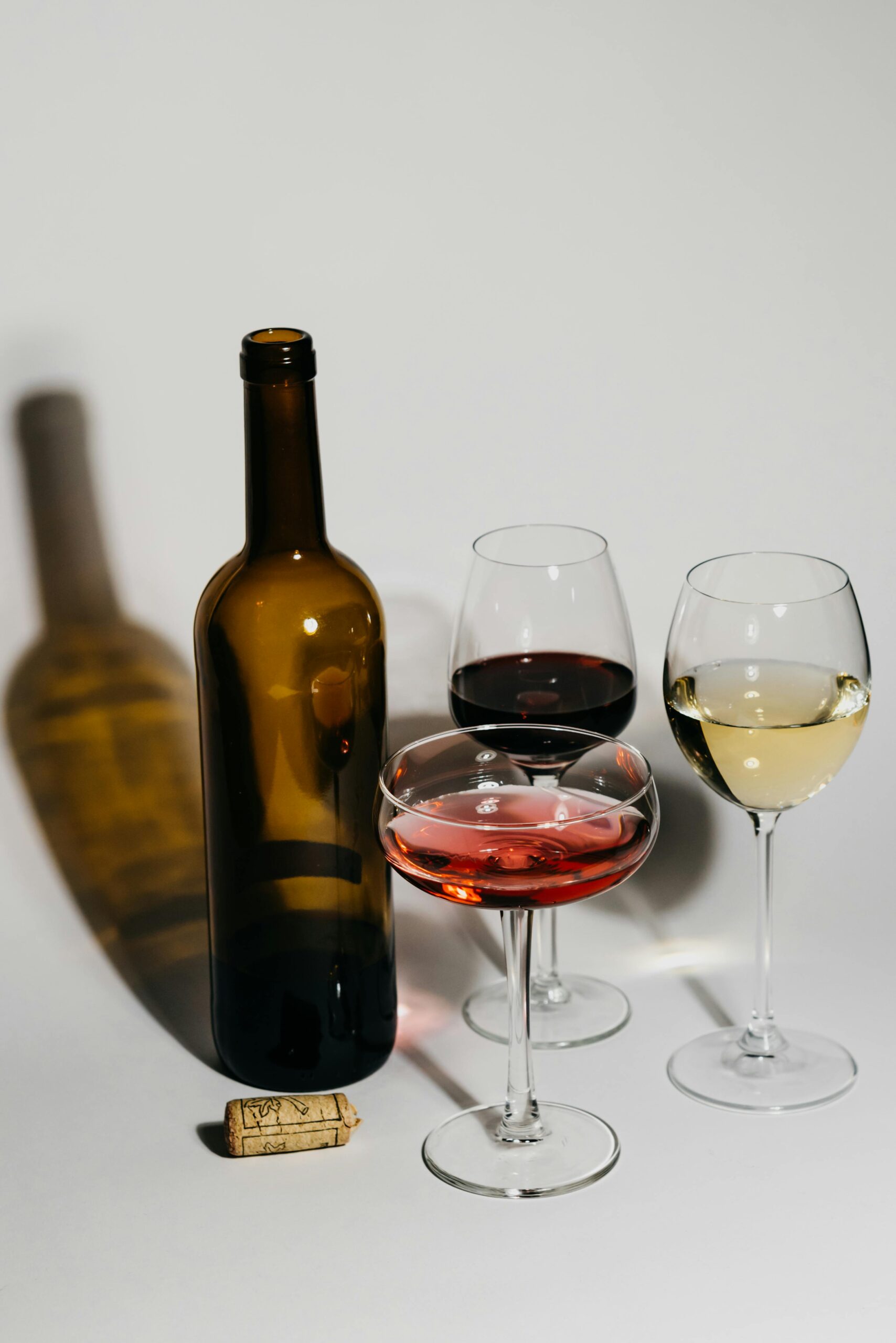
Red wines get their color from fermenting grape juice with the skins, seeds, and sometimes stems. That skin contact extracts anthocyanins (pigment) and tannins, which create structure, bitterness, and a drying sensation on your palate.
White wines are usually pressed immediately, keeping juice separate from skins. This yields paler colors and minimal tannin, so whites feel cleaner and brighter in your mouth.
Look for indicators in the glass: deep ruby or garnet suggests more tannin and age potential. Pale straw or gold often signals higher acidity or oak aging in whites.
Taste Profiles and Aromas
Reds typically present flavors of red/black fruit (cherry, blackberry), earth (forest floor, leather), and spice (clove, black pepper). Tannins and moderate acidity balance fruit and allow for savory or aged characteristics.
Whites tend toward citrus, green apple, pear, and tropical notes (pineapple, mango). Higher acidity gives a crisp finish; some whites show floral, honey, or buttered-bread notes when oak or malolactic fermentation is used.
Use specific varietal cues: Cabernet Sauvignon offers blackcurrant and firm tannin; Pinot Noir gives red cherry and earthy nuance. Sauvignon Blanc gives grassy, citrus lift; Riesling ranges from bone-dry to sweet with lime and petrol notes.
Food Pairing Principles
Match body and weight: pair full-bodied reds (high tannin) with rich, fatty meats to soften tannins. Leaner reds suit roasted poultry and mushroom dishes that echo earthy flavors.
For whites, match acidity to the dish. High-acid whites (Sauvignon Blanc, Albariño) cut through fatty or citrusy foods and pair well with shellfish, salads with vinaigrette, and goat cheese. Fuller whites (Chardonnay aged in oak) complement creamy sauces, roasted chicken, and buttery fish.
Balance sweetness and spice: off-dry or sweet whites (Riesling, Gewürztraminer) tame spicy Asian dishes and contrast salty flavors. Avoid overpowering delicate fish with tannic reds; instead choose lighter reds or richer whites depending on sauce and seasoning.