If you’re planning a Renovation Companies in London, Ontario, you need a contractor who matches your project scope, budget, and timeline. Local firms range from full-service remodelers who handle design through construction to specialty contractors focused on kitchens, basements, or commercial fit-outs, so you can find skilled teams for any scale of work.
You’ll learn how service types, licensing, and experience affect outcomes and how to evaluate quotes and references so your project runs smoother. Use this guide Renovation Companies in London Ontario to quickly narrow choices and feel confident when you invite contractors into your home.
Types of Home Renovation Services
You’ll find focused services that address function, aesthetics, and value: targeted kitchen layouts, durable bathroom systems, and basement conversions that add living space or rental potential. Each area involves distinct trades, materials, and permitting considerations.
Kitchen Remodeling Options
You can choose between a cosmetic refresh and a full gut renovation depending on your goals and budget. Cosmetic updates include cabinet refacing, new countertops (quartz, granite, or engineered stone), and energy-efficient appliances. These deliver a modern look with less disruption and lower cost.
A full renovation lets you reconfigure the work triangle, move plumbing or gas lines, and add structural changes like removing a load-bearing wall. Plan for coordinated trades—electricians for new lighting, plumbers for relocated sinks, and carpenters for custom cabinetry. Expect timelines from 2 to 10+ weeks, depending on scope, with permits required for electrical, gas, and structural work.
Consider storage solutions (pantries, pull-outs), durable flooring (porcelain tile, engineered hardwood), and ventilation (range hoods) to protect finishes and indoor air quality. Ask contractors for a detailed schedule, fixed-price estimates, and warranty terms.
Bathroom Upgrades and Designs
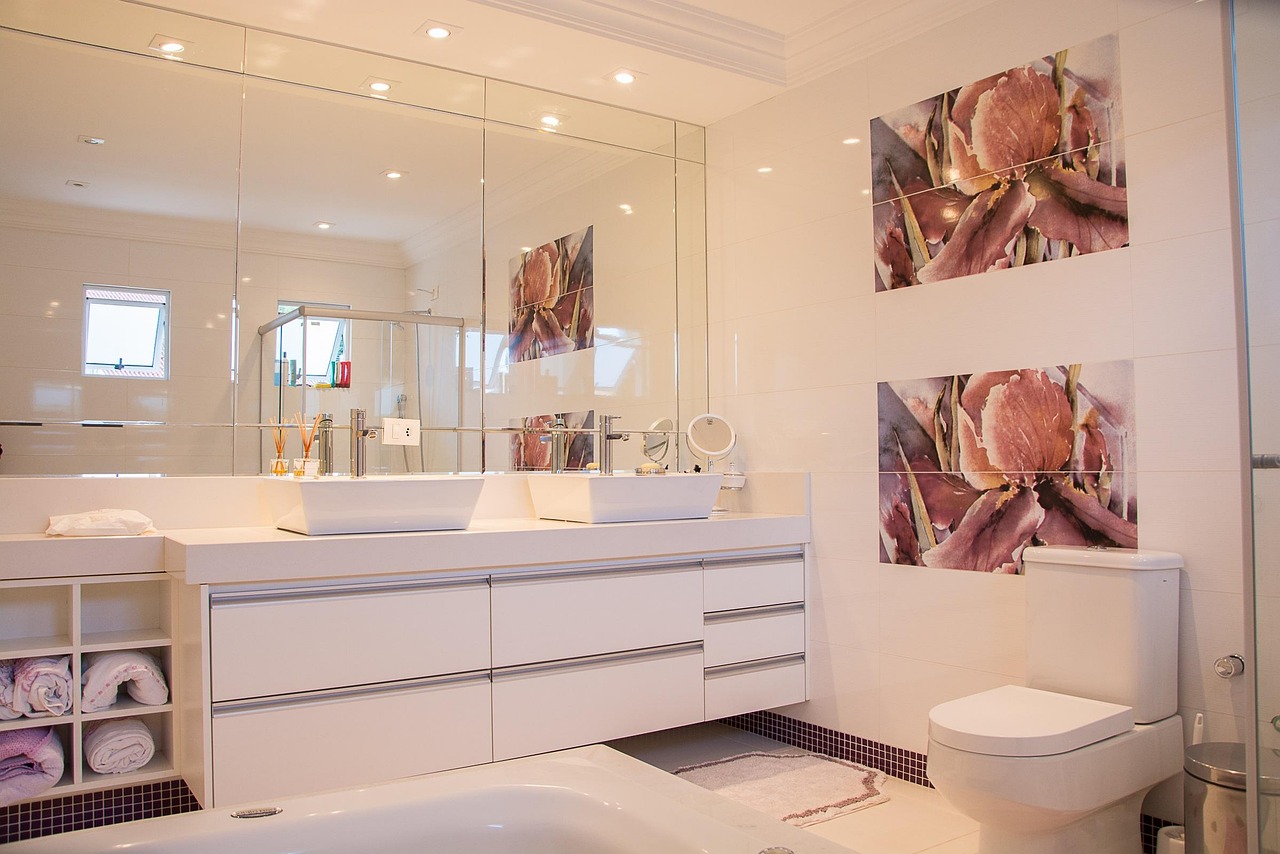
You can improve functionality and resale value by focusing on fixtures, waterproofing, and ventilation. Typical upgrades include replacing tubs with walk-in showers, installing dual sinks, and upgrading to low-flow toilets and LED lighting to lower utilities.
Waterproofing and proper drainage are critical—subpar work leads to mold and structural damage. Ensure contractors use waterproof membranes, linear drains where appropriate, and vapor-resistant backer board. Mechanical ventilation should meet local code for air exchanges per hour.
Material choices matter: porcelain tile for floors, acrylic or stone composite for shower pans, and corrosion-resistant valves for longevity. Expect timelines from one to four weeks for mid-range updates; full reconfigurations that move plumbing may take longer and need building permits.
Basement Finishing and Renovation
You can convert an unfinished basement into a family room, suite, or home office, but moisture control and egress are priority items. Start with a moisture assessment and address grading, exterior drainage, or a perimeter system if needed.
Key components include framing with pressure-treated bottom plates, insulated walls (rigid foam or spray foam for below-grade), proper subfloor systems to prevent cold and damp floors, and electrical for new lighting and outlets. If you plan a legal suite, you’ll need a separate entrance, kitchen, bathroom, and compliance with local zoning and fire-safety codes.
Acoustic insulation, soundproofing between floors, and HVAC extensions improve comfort. Budget and timeline vary widely: simple rec rooms can finish in 4–8 weeks; full suites with kitchens and baths typically require multiple permits and 8–16 weeks.
Choosing the Right Contractor
Focus on verifiable qualifications, past work that matches your scope, and clear, comparable written quotes. Prioritize contractors who document timelines, payment schedules, and warranty terms.
Credentials and Licensing
Check the contractor’s business license and trade-specific certifications before any deposit. In Ontario, ask for WSIB clearance and proof of liability insurance to protect you from workplace injury claims and property damage.
Verify memberships and accreditations such as BBB listings or industry association affiliation. These don’t guarantee quality but provide a record of complaints and business practices you can review.
Request references and call at least two recent clients about timeliness, communication, and how the contractor handled changes. Keep copies of all documents—licenses, insurance certificates, and any subcontractor agreements—in your project file.
Project Portfolio Evaluation
Ask to see completed projects that match your type of renovation: kitchens, bathrooms, basements, or additions. Photos help, but visit a recent job site when possible to inspect workmanship, material choices, and site cleanliness.
Look for consistency in finishes, level of detail in trim and cabinetry, and how installations (plumbing, electrical) were integrated. Confirm whether the contractor handled permits and inspections for those projects.
Request scope examples or case studies that include original budget vs. final cost and schedule adherence. This reveals how they manage unexpected issues and change orders on projects similar to yours.
Comparing Quotes and Services
Collect at least three written quotes that break down labor, materials, permit fees, and allowances. Avoid vague, single-line estimates; require itemized lists so you can compare apples to apples.
Compare timelines, payment schedules, and warranty terms side-by-side. Note any exclusions such as appliance supply, structural engineering, or asbestos removal so you don’t face surprise costs.
Evaluate communication style and responsiveness as part of the quote process. A clear contract that specifies deliverables, milestones, and dispute resolution shows professionalism and reduces risk during construction.